



content warning
G
intentions
think about / show different ways of being
~~~~~~~~~~~~~~~~~~~~~~~~~~~~~~~~~~~~~~~~
series
twentyeight indigenous precepts
1
~~~~~~~~~~~~~~~~~~~~~~~~~~~~~~~~~~~~~~~~
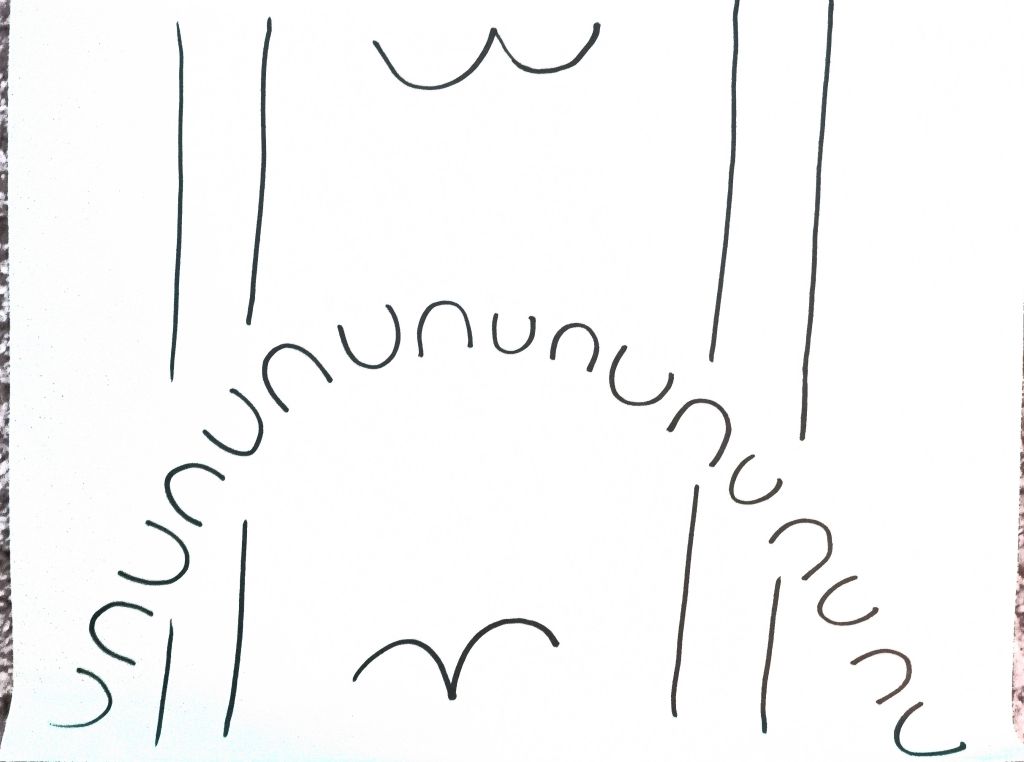
this symbol-being would like to share space with you
just you
not other humans filling your head with their words / interpretations / thoughts
they want you to share your feelings with them
and
they want to share their feelings with youscroll down when you feel ready to hear some other human’s words
respect as responsibility society
this particular chapter / precept was named “non-hierarchical society”
as brother Tyson Yunkaporta stated in his book Sand Talk (highly recommend), the english-language-being has a funny (oppressive / destructive / harmful) way of trying to describe things by the ways they are NOT, which still makes you think of / focus on the other (hurtful / damaging) thing
for example: the word non-linear (time / experience / knowledge) still slaps a giant
______________________________________________
LINE
across the front of our vision. it’s like being told DON’T think of a pink elephant; even if we try our VERY best, there absolutely is a pink elephant wandering around our brain for a fleeting / unforgettable / inescapable moment (but usually they wander around for a lot longer, especially if we keep telling ourselves DON’T think about them)
and, the more we’re focusing on pink elephants, the less attention we have to devote towards whatever our lovely pursuits are. it is by focusing on what we WANT rather than what we DON’T that positive change happens (sciency sciency). so, as soon as i heard about this wisdom, i became allergic to using the word “non” in any context whatsoever and i immediately starting trying to purge its usage from my vocabulary
in this light, i have chosen to rephrase “non-hierarchical” in a way that puts emphasis on what we WANT society to be rather than than what we DON’T want
i / we / knowledge is constantly shifting / changing / evolving / growing and i honor my own (lowercase i) indigenous ways by choosing to trust my intuition / body / spirit in this matter rather than upholding the author’s original / specific words. i offer respect and curiosity without judgment or admonishment for their decided usage, as i remain confused
my assumption is that the authors used the term “non-hierarchical” (and a few other instances of “non” usage) for simplicity of understanding for a diverse audience. these descriptions can serve as an introduction to the topics at hand rather than to serve as a final word. each chapter obviously delves into the precepts for far more depth so perhaps they decided brevity was worth it for a chapter title
or, perhaps more simply, this is a good example of how we are all imperfect / learning / growing together. nature is messy and we are nature :)
p.s. “non-linear time” is a separate precept who will have their own page
 Healing Drew